
Finding Pottery Classes Across the UK: What to Look For
Directory of pottery class options from community centers to private studios. We've listed what matters — equipment available, instructor experience, and realistic costs to expect.
Why Finding the Right Class Matters
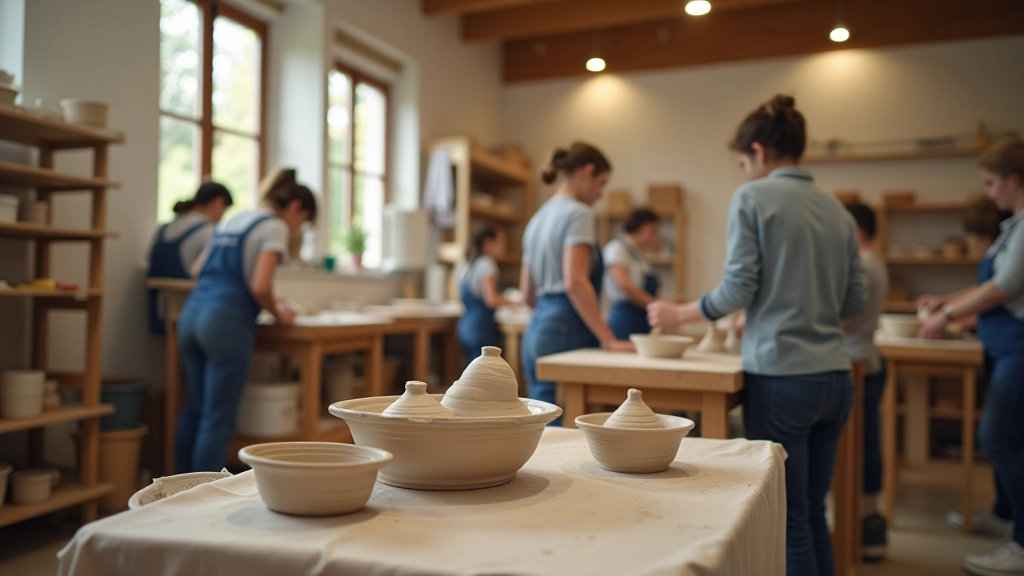
Not all pottery classes are created equal. You'll find everything from community center workshops to high-end private studios, and the difference between a good fit and a frustrating experience comes down to a few key factors. We're talking about instructor experience, available equipment, class size, and whether they actually have space for beginners.
The good news? There's likely something within reach. Whether you're in London, Manchester, Edinburgh, or a smaller town, pottery classes exist. The trick is knowing what questions to ask before you sign up.
Types of Pottery Classes You'll Find
Community centers offer affordable drop-in sessions. You'll pay around £8-15 per class, share kilns with others, and get basic instruction. They're perfect if you're testing the waters.
Private studios give you more attention. Instructors there often have stronger portfolios, better equipment, and smaller groups. Expect £20-40 per session, but you'll get hands-on feedback. Many studios also let you book individual slots after completing a beginner course.
University extension programs and evening classes through local education providers sit somewhere in between. They're structured, affordable, and run by experienced ceramicists who teach part-time.
What to Check Before You Enroll
Equipment Available
Do they have wheels? Hand-building tools? A working kiln? Some places share kiln time, meaning your pieces get fired in batches. Others have multiple kilns. Ask if you can use the studio outside class hours — that's often where real learning happens.
Instructor Background
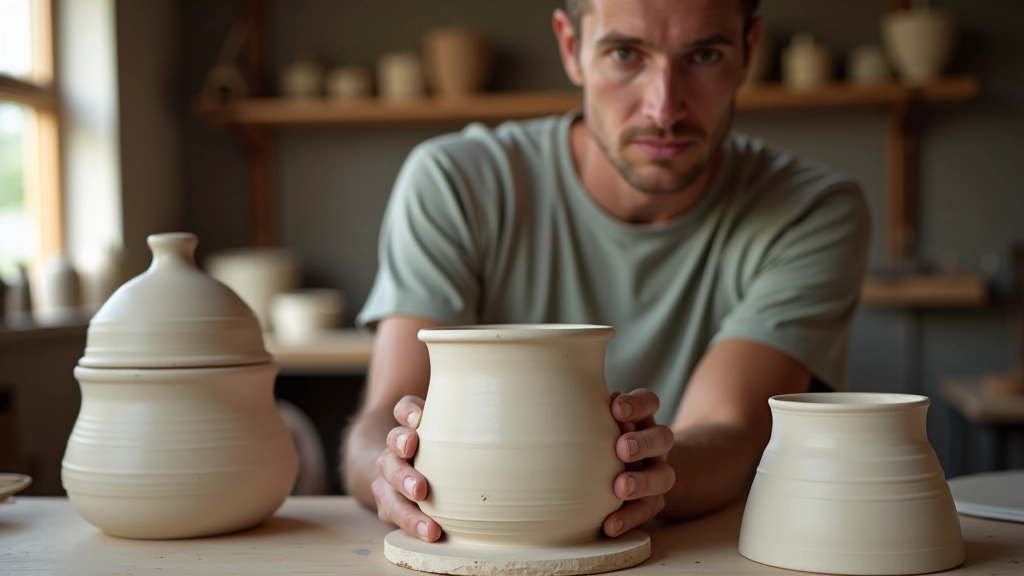
Look for instructors with actual ceramic training, ideally someone who exhibits work or teaches full-time. A degree in ceramics or years of studio practice matters. Don't hesitate to ask about their experience before booking.
Class Size
Smaller is better for beginners. Ideally you want 6-8 people maximum per instructor. Once you're comfortable, larger group classes work fine. Studios crowding 15 people into one session? You won't get much personal feedback.
Course Structure
Does the class follow a curriculum or is it drop-in? Structured courses teach fundamentals systematically — wheels, hand-building, glazing — over 8-12 weeks. Drop-in sessions work if you've done pottery before.
Clay & Firing Included
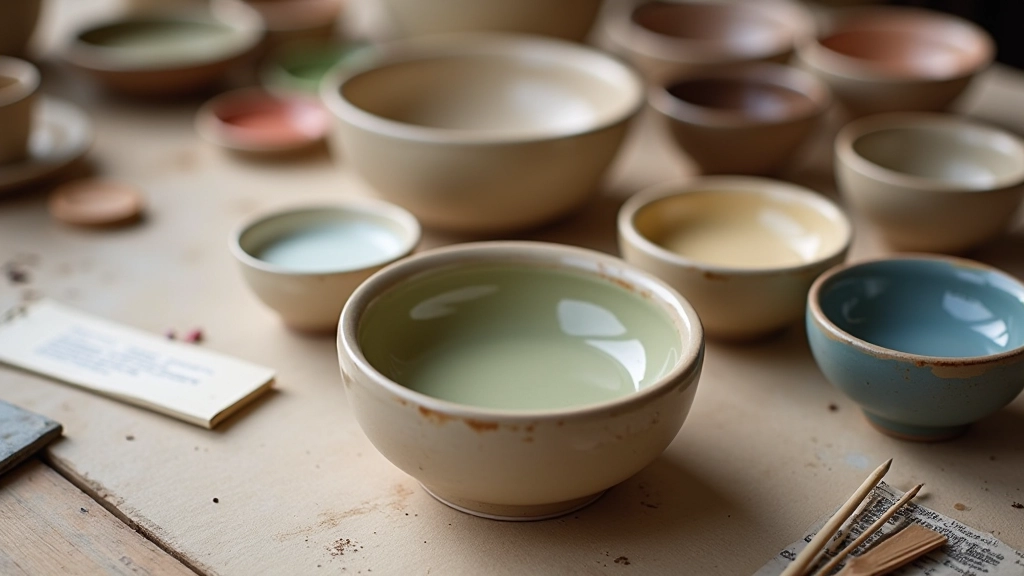
Check what's included in the price. Good classes include clay and one kiln firing. Some charge extra for glazing or additional firings. That's worth knowing upfront.
Studio Access
Some studios let you book extra hours outside class time. That's valuable — you'll improve faster if you can practice between sessions. Ask if they offer open studio time.
How to Find Classes in Your Area
Start local. Google "pottery classes near [your town]" and you'll get results. Check reviews on Google Maps and Trustpilot — real students leave honest feedback. If someone mentions the instructor being patient or the kiln breaking down, that matters.
Call or visit before committing. A quick phone call tells you a lot. Are they welcoming? Do they ask about your experience? Do they explain what you'll learn? Studios that give vague answers probably aren't organized.
Try a taster session if they offer one. Many studios let you drop in for a single class before signing up for a course. It's worth the extra cost to see if you click with the instructor and the vibe of the studio.
Questions to Ask Any Studio
What's included in the cost? Clay? Firing? Glazes? Know exactly what you're paying for.
How many students per instructor? More than 10 and you're not getting enough attention.
Can I continue after the course ends? Do they offer ongoing classes or drop-in sessions for people who've completed a beginner course?
What's the kiln schedule? When do pieces get fired? How long does it take to get your work back?
Are there any material costs beyond the course fee? Some studios charge for special clays or glazes.
What happens if I miss a class? Can you reschedule? Do you lose that session?
Red Flags to Watch For
Some things should make you hesitate before signing up:
Classes with no mention of the instructor's experience. If their website doesn't say where they trained or what they've made, ask directly. A good instructor is proud of their work.
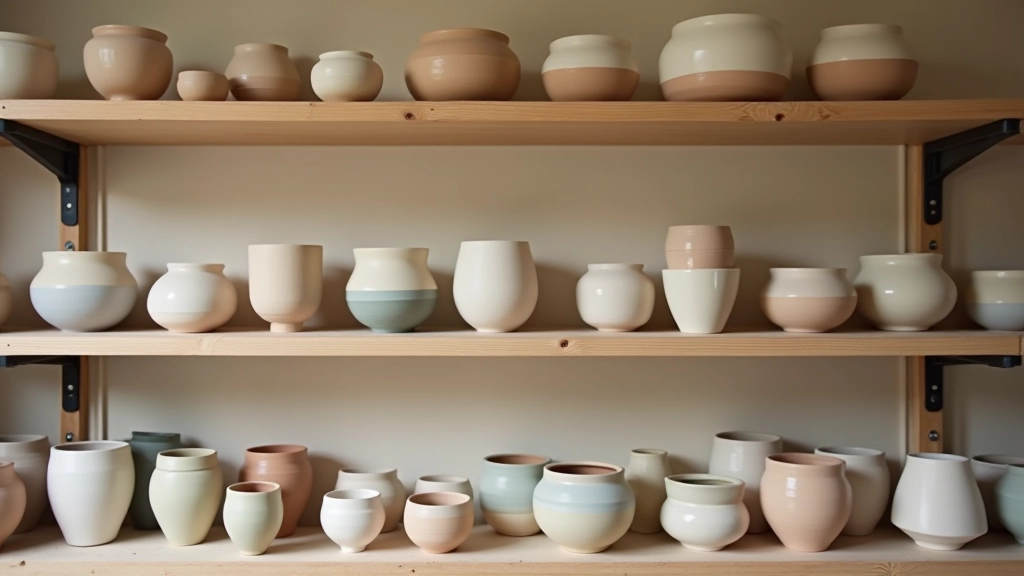
No sample of student work on display. Visit the studio in person if you can. Looking at what students actually make tells you about instruction quality.
Vague pricing. If they won't tell you what's included or how much firing costs, move on. Transparent pricing is standard.
Broken or poorly maintained equipment. A kiln that hasn't worked in months means your pieces won't get fired. Ask when equipment was last serviced.
Trust your instinct. If something feels off when you visit or call, it probably is.

Related Articles
Disclaimer
This article provides educational information about finding pottery classes in the UK. Class availability, pricing, and instructor qualifications vary by location and change over time. We've shared general guidance on what to look for, but circumstances differ. Always verify current information directly with studios before enrolling. This content is informational and not a comprehensive directory — we recommend contacting local community centers, private studios, and education providers in your area for the most up-to-date details.