Hand-Building Techniques: Coils, Slabs, and Pinch Pots
Master three foundational methods for shaping clay without a wheel. We've broken down each technique with step-by-step guidance and common mistakes to avoid.
Why Hand-Building Matters
Hand-building is where most potters start, and honestly, where many stay. You don't need expensive equipment or a pottery wheel to create beautiful functional pieces. These three techniques—coils, slabs, and pinch pots—form the foundation for virtually everything else you'll do with clay.
What makes hand-building special isn't just accessibility. It's the direct connection between your hands and the material. You'll feel how clay responds to pressure, temperature changes, and moisture. That tactile feedback teaches you things a wheel simply can't.
No Equipment Required
Start with clay, water, and basic tools you likely already have.
Learn Fundamentals Fast
Master core techniques in weeks, not months of wheel practice.
Creative Freedom
Build asymmetrical, sculptural forms wheels can't produce.
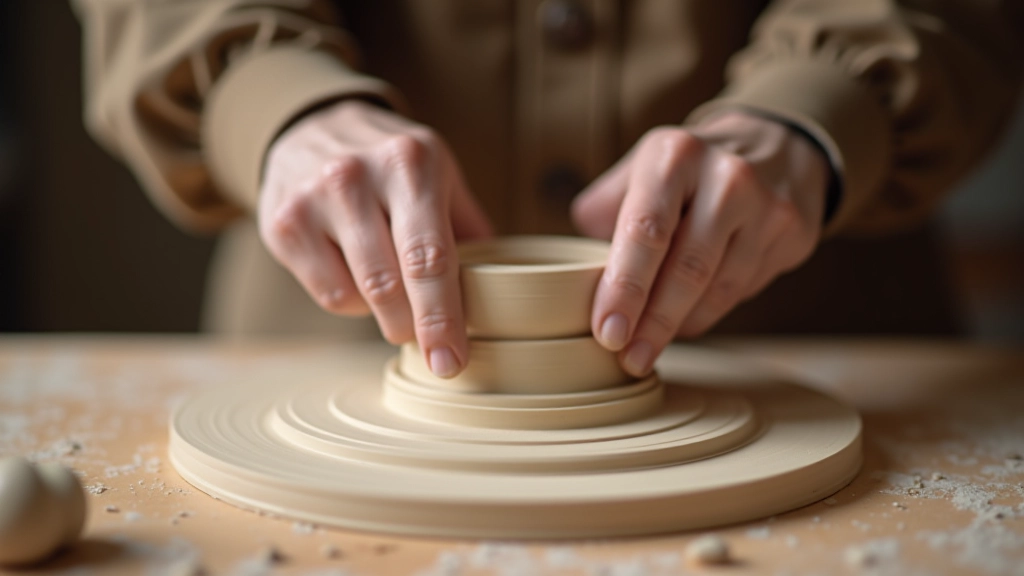
Coil Building: Creating Vessels Step by Step
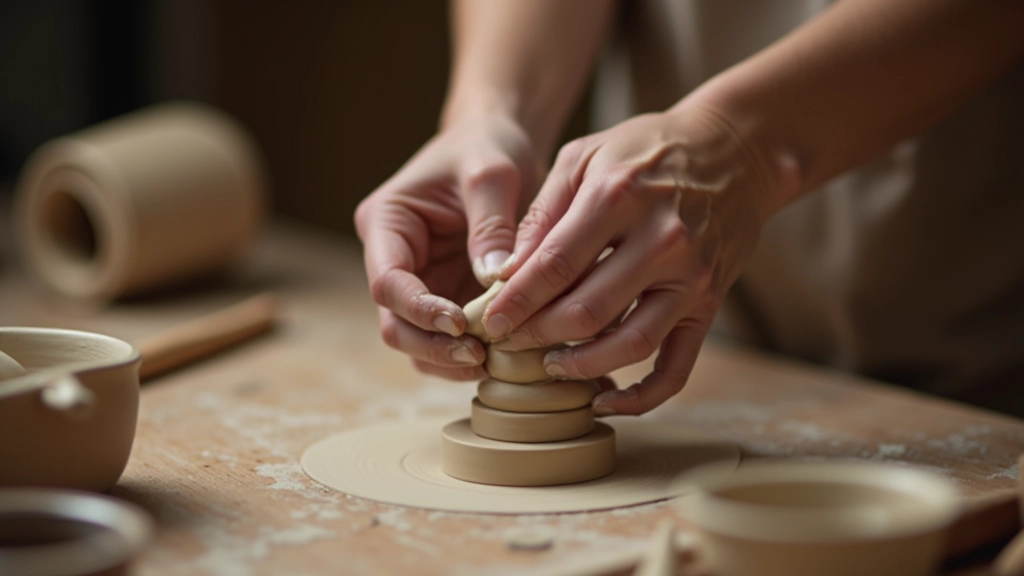
Coil building is ancient—potters have used this method for thousands of years. It's brilliant because it works for virtually any shape you can imagine. You're literally stacking rings of clay to build walls, which gives you incredible control over wall thickness and form.
1
Roll Your Coils
Roll clay between your palms or on a work surface until you've got an even rope about the thickness of your finger. Aim for consistency—uneven coils make uneven walls.
2
Create a Base
Make a flat slab for the bottom of your vessel. Rough up the surface slightly so your first coil adheres properly. Score it with a tool if it's been sitting for more than a few minutes.
3
Stack and Score
Coil by coil, score both surfaces (the coil end and the layer below), apply slip, and press together. Don't just lay them on top—blend them slightly or leave them visible depending on your desired finish.
4
Shape as You Go
Gently curve your walls inward or outward to create form. You're not committed to a shape until the clay firms up, so experiment. Most potters spend 30-45 minutes building a simple vessel this way.
Pro tip: Keep a spray bottle nearby. If your clay starts drying out mid-build, a light mist keeps it workable. But don't oversaturate—soggy clay won't hold shape.
Slab Construction: Building with Flat Planes
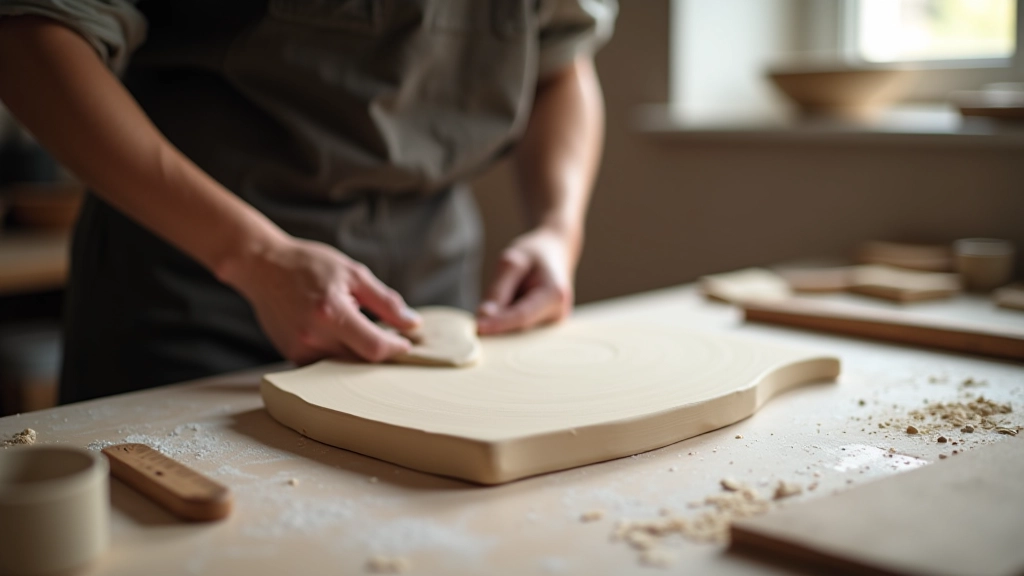
Slab building gives you geometric precision that coils can't match. You're creating flat sheets of clay and joining them—think of it like cardboard box construction, except the seams actually fuse together. It's perfect for architectural forms, boxes, and sculptural pieces.
The most common mistake? Making slabs too thin. A quarter-inch (about 6mm) is your minimum thickness for pieces that'll survive firing without warping. Thicker is more forgiving—I usually aim for half an inch for functional ware.
Hand-Rolled Slabs
Use a rolling pin on canvas or burlap. It's slower but gives you feel for the clay. You'll notice soft spots that need more compression.
Slab Roller
Equipment investment (£50-200) that saves your back. Results are more uniform. Many studios have these if you're not ready to buy.
Wire Slab Cutter
A wire stretched between two handles cuts through soft clay perfectly. Costs about £8. Game-changer for getting clean edges.
Once your slab's ready, score both joining surfaces, apply slip (liquid clay), and press together. Hold the seam for a few seconds. Don't rush—let gravity help. You can smooth seams later or leave them visible as design features.
Pinch Pots: The Simplest Starting Point
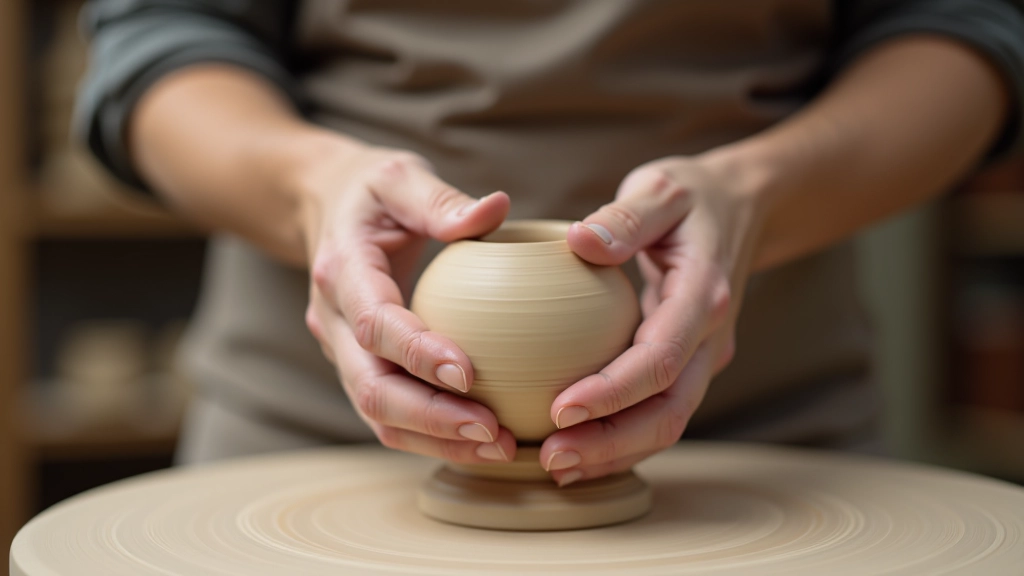
Don't underestimate pinch pots. Yes, they're simple—literally pinching a clay ball into a vessel—but they teach you something coils and slabs don't: wall thickness awareness. When you're thinning walls with your fingers, you feel exactly how much pressure the clay can handle.
Here's what happens: you start with a ball roughly the size of an orange, poke your thumb in the center, and gradually rotate while pinching the walls thinner. Most people make their first pinch pot in under 5 minutes. Seriously. A functional one takes about 15.
The Pinch Method
- Roll a ball of clay (tennis ball size is perfect)
- Poke your thumb in, leaving about half an inch at the bottom
- Pinch the rim between thumb and fingers while slowly rotating
- Keep the wall thickness even—aim for about 1/4 inch
- Stop when it's the shape and size you want
The beauty of pinch pots? You can make dozens in a single afternoon. They're perfect for gifting, testing glazes, or just practicing without pressure. Many experienced potters still make them—there's something meditative about the repetition. Plus, they actually look professional when glazed well.
Common Mistakes (and How to Avoid Them)
Inconsistent Coil Thickness
Thin spots crack during drying, thick spots warp. Roll coils on a level surface and compare them side-by-side before building. Practice makes this automatic—after rolling 20 coils, your hands know the right pressure.
Skipping the Score and Slip
This is the #1 reason pieces fall apart during firing. Scoring roughens surfaces. Slip (clay mixed with water) acts as adhesive. Both together? Joints that'll survive anything.
Building Too Thin
Walls thinner than 1/4 inch are risky. They crack during drying and become fragile after firing. When in doubt, thicker is better. You can always sand it down later.
Rushing the Drying
Hand-built pieces need slow, even drying. Fast drying causes warping and cracks. Cover your work loosely with plastic for 2-3 days, then uncover gradually. Patience saves pieces.
Trapping Air Pockets
Air inside thick walls expands during firing and explodes. Score thick clay when you build seams. Better yet, keep walls consistent thickness throughout.
Uneven Pressure When Joining
Press too hard in one spot and you create weak spots elsewhere. Use steady, moderate pressure. Your seam should feel fused, not forced.
Essential Tools You'll Actually Use
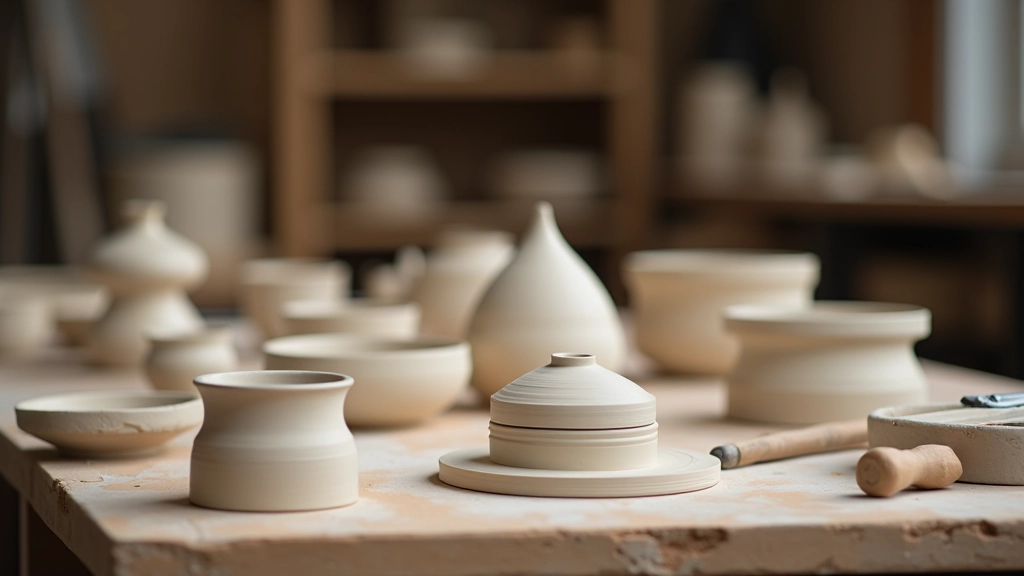
You don't need much to get started. Honestly, you could begin with just clay and water. But these tools make the work smoother and the results better:
Wooden modeling tools
— Round and square ended. Essential for smoothing, blending, and
carving detail. £5-15 for a set.
Needle tool
— Literally a needle in a handle. Perfect for scoring, detail
work, and poking holes. £2-4.
Sponge
— For smoothing seams and softening edges. Kitchen sponge cut in
half works fine, or buy ceramic ones.
Cutting wire
— For slicing clay off the bat cleanly. £3-8. Brass wire works
better than steel because it doesn't rust.
Rolling pin
— You've probably got one in the kitchen. Works perfectly. Or
buy a pottery-specific one (£8-15) with textured surfaces.
Spray bottle
— For keeping clay moist without waterlogging. Essential. Any
spray bottle works.
Getting Started With Your First Project
The best time to start hand-building is right now. You don't need a pottery studio or expensive equipment. You need clay (available at most craft stores for £5-10), a workspace, and maybe an hour on a Saturday afternoon.
Here's what I'd recommend: Start with a pinch pot. It'll take 15 minutes, teach you how clay responds to pressure, and give you something tangible you can fire and glaze. Then move to a simple coil vessel—a bowl or small vase. Then try slabs. By the time you've made three or four pieces, you'll understand the material in a way no description could teach.
The magic of hand-building isn't in perfection. It's in the direct connection between your hands and the clay. Every mark, every imperfection, tells a story about how you made it. That's something no wheel-thrown piece can replicate.
Ready to Learn More?
Explore our guides on glazing your hand-built pieces and finding pottery classes across the UK.
Explore Glaze BasicsDisclaimer
This article provides educational information about hand-building pottery techniques. While the methods described are widely practiced and generally safe, working with clay involves certain considerations. Always work in a well-ventilated space, especially when firing or handling dry clay dust. If you have respiratory sensitivities, consider wearing appropriate protection. Firing clay requires proper equipment and knowledge—if you don't have access to a kiln, consult with local pottery studios or instructors about firing options. Techniques and outcomes vary based on clay type, firing method, and individual experience. This content is intended for informational purposes and should not replace hands-on instruction from a qualified ceramics instructor.

Related Articles