Hand-Building Techniques: Coils, Slabs, and Pinch Pots
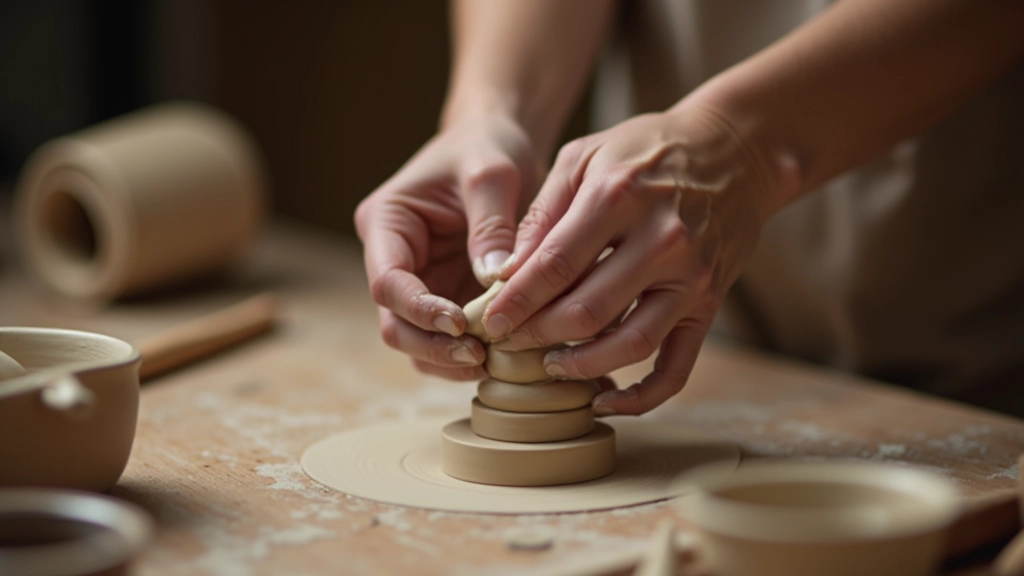
Master three foundational methods for shaping clay without a wheel. We've broken down each technique step by step with detailed photos.
Can't afford a kiln? We've tested affordable firing solutions including electric models, pit firing, and local studio access options that actually work.

Here's the thing — a proper kiln costs £3,000 to £15,000 new. That's a massive barrier when you're just starting out. Most people don't realize there's a whole world of firing options beyond owning your own kiln. We've spent months testing alternatives so you don't have to guess.
Whether you're working with earthenware, stoneware, or porcelain, you've got real solutions available right now. Some cost almost nothing. Others require a small investment but work brilliantly. We're going to walk through each option — the pros, the realistic downsides, and what actually works.
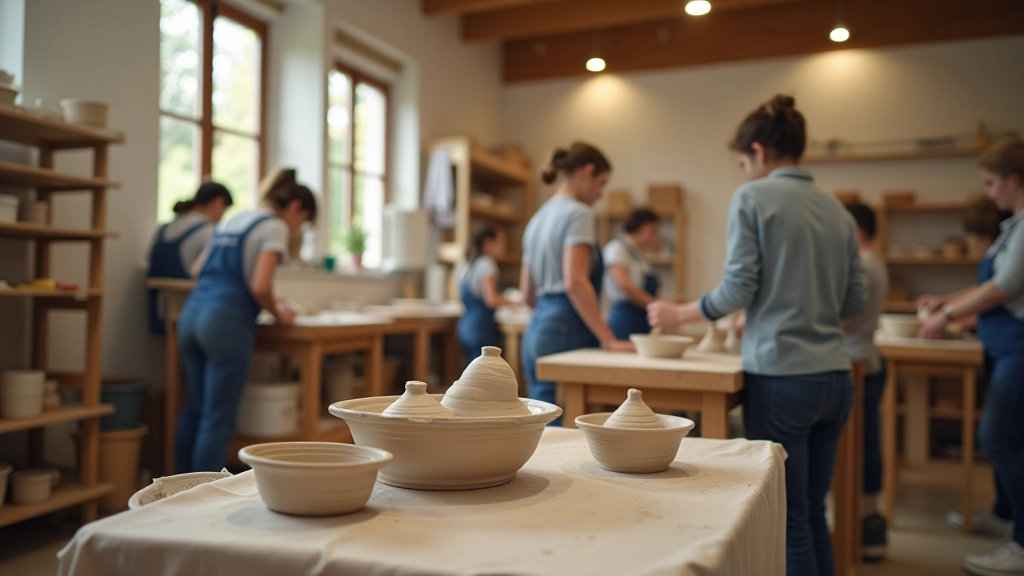
This is honestly the most practical solution for most potters. You've got pottery studios scattered across the UK — from proper arts centers to university continuing education programs. You make your work at home, bring it in, and they fire it for you.
The real advantage? You're not buying equipment. You're paying per piece, so if you take a month off, you're not paying anything. Most studios charge £8 to £25 depending on the piece size and clay type. Stoneware costs more than earthenware because it needs a hotter fire.

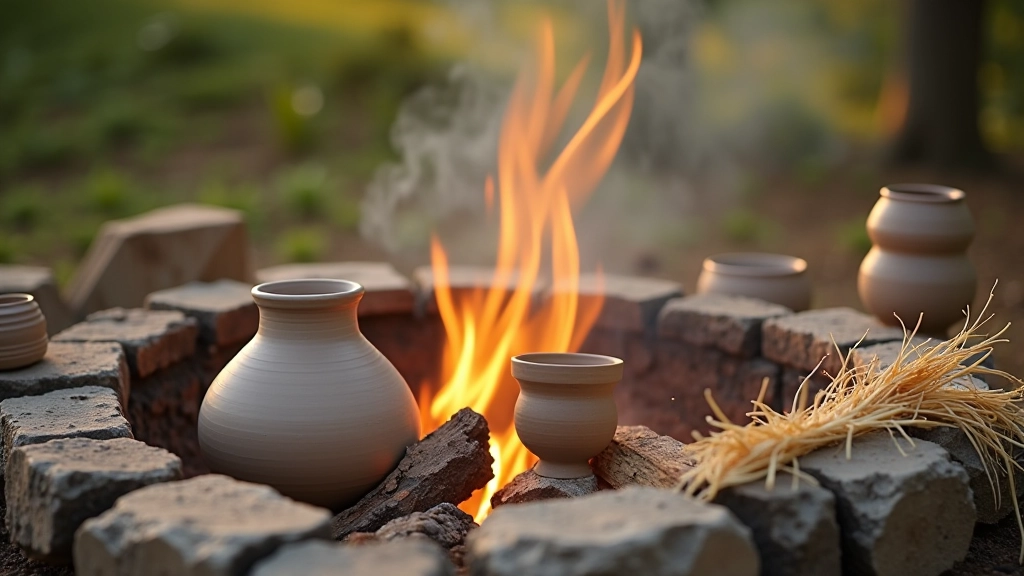
If you want something completely different, pit firing and raku are brilliant. They're ancient techniques, genuinely fun, and produce effects you can't get any other way. Pit firing especially costs almost nothing — you're literally burning your work in a hole with sawdust and leaves.
Here's what you need to know: pit firing works with earthenware and low-fire clay. You dig a hole, layer your dried pieces with combustibles (sawdust, leaves, bark), cover it, light it, and let it cool overnight. The smoke creates these gorgeous black and gray patterns. It's unpredictable — that's the point. Every piece looks unique.
Raku's different. It's a Japanese technique where you pull hot pieces straight from the kiln and put them in combustible materials. Creates amazing metallic surfaces and cracks. You need a raku kiln though, which starts around £800. Worth it if you're serious about the aesthetic.
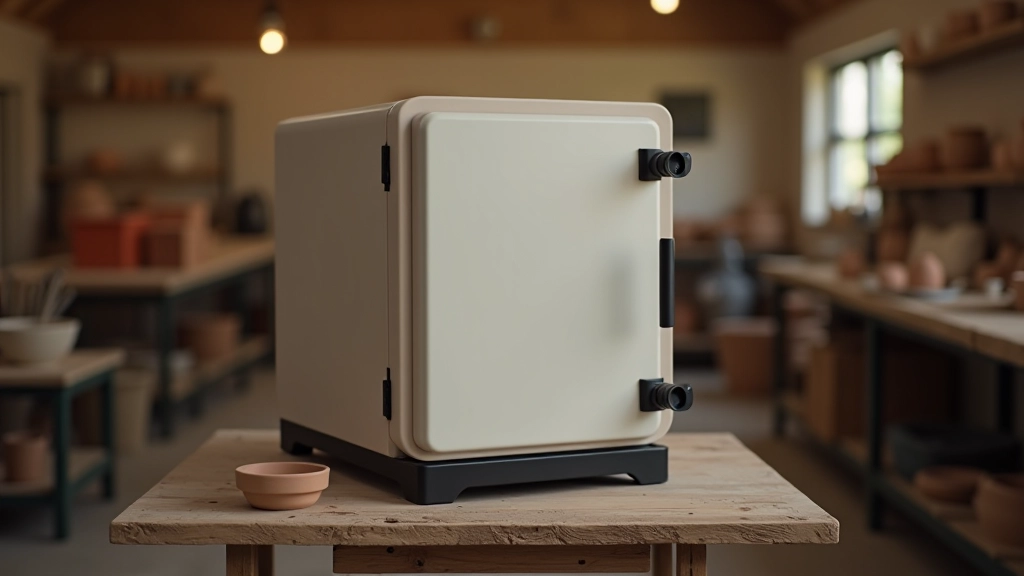
If you want to own your own kiln but don't want to spend thousands, entry-level electric models are genuinely good now. You can find decent kilns from £400 to £1,200. They're smaller — typically 0.1 to 0.3 cubic meters — but that's actually fine. You're firing smaller batches more frequently anyway.
The catch? Space and electrics. These kilns need a dedicated 13-amp circuit in most homes, though larger models want 32-amp. You'll need a garage, shed, or dedicated space — they get hot. They also take 8–12 hours to fire and cool, so plan around that. But once you own one, there's no per-piece cost. After maybe 40 firings, you've recouped the investment.
£400–£700. Basic but reliable. You manually monitor temperature with cones. Simple, honestly.
£800–£1,200. Programmable firing schedules. Set it and forget it. Costs more upfront but worth it if you fire frequently.
Let's be honest about what matters: cost, space, control, and results. Here's how the main options stack up.
Cost per firing: £8–£25
Space needed: None (studio provides)
Control: Limited (you choose clay type)
Best for: Casual potters, multiple styles, experimentation
Cost per firing: Essentially free
Space needed: Garden or outdoor area
Control: Very low (unpredictable)
Best for: Decorative work, experimentation, unique aesthetics
Initial cost: £400–£1,200
Space needed: Garage or shed
Control: High (you control everything)
Best for: Serious makers, consistent production, functional ware
You don't need a kiln in your garage to be a potter. Honestly, most of us don't. The barrier to entry in pottery isn't firing — it's just starting. Hand-building clay costs pennies. What matters is learning the techniques and putting in the work.
If you're starting out? Community studio access is your friend. It's cheap, accessible, and you'll figure out pretty quickly if you want to invest further. If you fall in love with pit firing's aesthetic, you can do that literally in your garden. And if you get serious about production, a home electric kiln becomes a sensible investment rather than a luxury.
The real secret isn't finding the perfect kiln. It's just getting your hands in the clay and making things. Everything else follows from that.
This article provides educational information about pottery firing alternatives and kiln options. Specifications, prices, and product availability vary by location and change frequently. Always verify current costs and safety requirements directly with manufacturers, studios, or local suppliers before making purchasing decisions. If installing home kilns, ensure your electrical system meets requirements and check local building regulations. Firing techniques like pit firing and raku require careful attention to safety — follow proper guidance and use appropriate protective equipment. Consult with experienced potters or instructors in your area for technique-specific advice.